

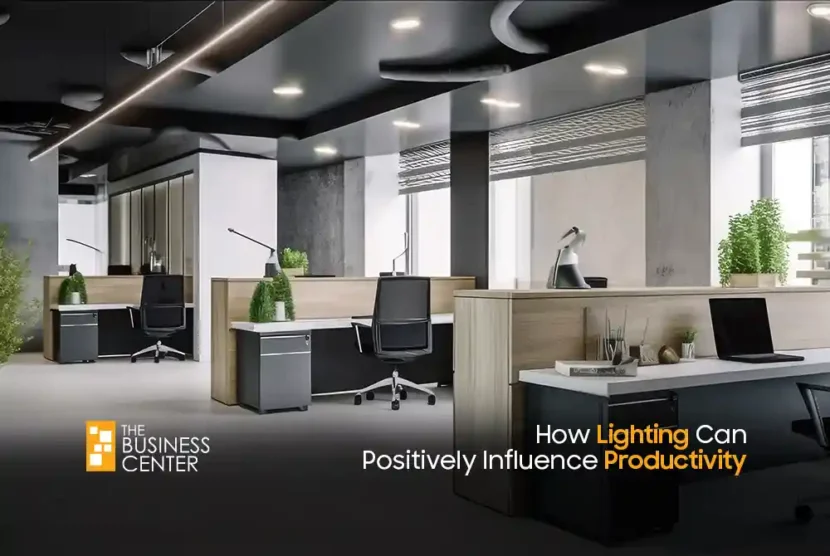
When discussion is about co-workplace productivity, attention usually goes to furniture, technology or organizational culture. One of the most powerful factors often overlooked is lighting. The impact of lighting reaches far beyond basic visibility. It effects focus, energy, mood and how efficiently people work throughout the day.
In both conventional offices and modern co-working spaces, poor lighting leads to eye strain, fatigue, tiredness and decreases motivation. In contrast, thoughtfully planned lighting can help people stay alert, reduce errors and more engaging work environment.
In this blog, we’ll explore why lighting plays such important role, how natural and artificial lighting influence productivity. And how proper lighting for the workplace can be implemented, especially in coworking spaces.
Why Lighting Matters for Productivity
Lighting plays a direct role in regulating our circadian rhythm—the internal system that controls sleep, alertness and energy levels. When lighting support these natural rhythms, people tend to feel more awake, energized and productive during working hours.
Poor lighting conditions—such as flickering fluorescents, excessive glare, or spaces that are too dim often cause discomfort and reduce performance. Research shows that employees working in well-lit environment are able to complete tasks faster and with fewer mistakes because of having improved visibility and reduced eye strain.
In coworking environments, where individuals constantly shift between focused work, teamwork and meetings, the lighting impact of coworking space design becomes even more significant. Good lighting supports different work styles while keeping users comfortable and motivated.
Proper Lighting for the Workplace
Effective workplace lighting typically is usually a combination of:
- Ambient lighting to provide illumination
- Task lighting for focused activities such as computer work or reading
- Accent lighting to add visual balance and enhance comfort
Recommended lighting levels:
- 300–500 lux is suitable for general office work
- 750–1,000 lux works better for detailed tasks such as design or technical work
Color temperature also matters:
- Cool white light (4000K–5000K) supports alertness and concentration
- Warm light (2700K–3000K) works appropriate for relaxation or in break areas
Modern LED lighting have replaced outdated fluorescent systems. LEDs provide even flicker-free light and can be adjusted throughout the day, allowing brightness and color temperature to change based on user preference.
Lighting Impact of Coworking Space Design
Coworking spaces serve multiple purposes—focused work, collaboration, meetings and social interaction.
Well-planned coworking lighting includes:
- Bright, consistent lighting in shared work areas
- Adjustable lighting in meeting rooms for presentations or video calls
- Softer, warmer lighting in lounges and informal spaces
Well planned lighting provides users control over brightness and tone that improves comfort, satisfaction and perceived productivity. Thoughtful lighting design also makes coworking spaces feel welcoming and professional.
Smart Lighting: The Future of Productive Workspaces
In modern offices and coworking environments smart lighting are becoming common. These systems automatically adjust brightness and color temperature based on available daylight.
Lighting isn’t just a design feature—it’s a productivity tool. The right lighting reduces eye strain, boosts mood, improves focus and creates environments where people can perform at their best.
Sometimes, the most effective productivity upgrade isn’t new technology—it’s simply better light.