

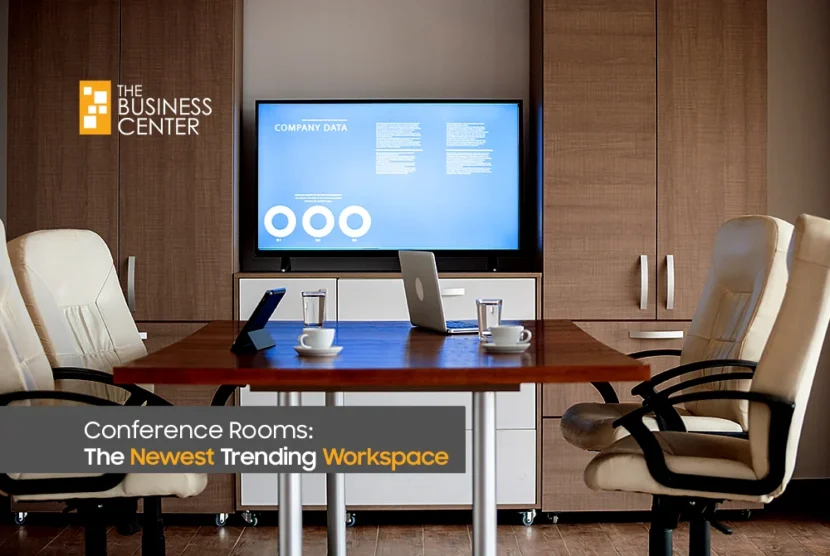
Once upon a time, conference rooms were strictly reserved for formal meetings, client presentations, and the occasional board discussion or two. In recent times, they are undergoing a quiet yet powerful transformation. Across modern, up-to-date offices, conference rooms are emerging as the new preferred workspace—the modern conference room is meant to serve a purpose, as well as being flexible & collaborative.
The use of space evolves along with changing work culture. At the heart of this shift is the reimagined conference room.
The traditional conference room was designed for one thing: meetings. But modern work demands more versatility. Nowadays, conference rooms also act as:
- Focus zones for deep work
- Brainstorming hubs for teams
- Hybrid work studios for virtual collaboration
- Training and workshop spaces
- Temporary quiet rooms for high-priority tasks
Employees are increasingly gravitating toward these rooms for the privacy, structure, and minimal distractions they offer—something typical open-plan offices often lack.
1. A Solution to Open-Plan Designs
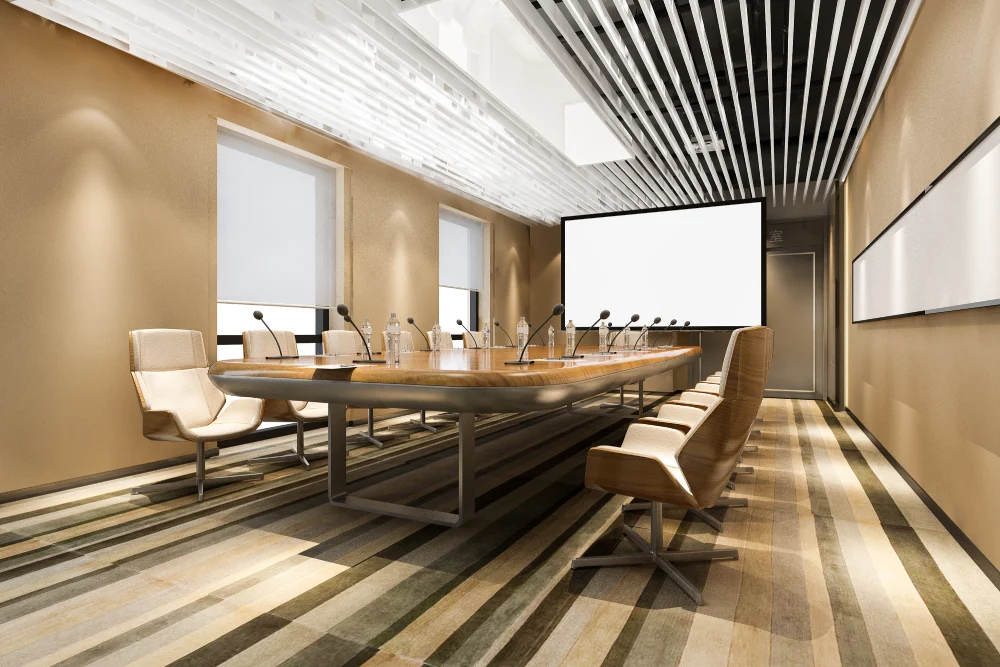
While open offices do encourage interaction and collaboration, they can also lead to noise, interruptions, and lower concentration. Conference rooms in this case can provide an instant escape as they are enclosed, quieter, and more controlled—making them ideal for strategic or focused work.
2. Perfect for Collaboration
Modern conference rooms are built for teamwork. Large tables, writable walls, digital screens, and flexible seating now allow teams to exchange ideas freely and make faster decisions, all without disrupting the rest of the office.
3. Hybrid-Ready by Design
Ever since COVID-19, remote and hybrid work are now mainstream. As a result, conference rooms have become the anchor for virtual collaboration. Equipped with video conferencing tools, acoustic equipment, and smart displays, they enable seamless communication between in-office and remote teams.
Modern conference rooms look and feel very different from what they used to be.
Key design trends include:
- Modular furniture adapting to different group sizes
- Acoustic panels for sound control
- Natural light and indoor plants for comfort
- Smart technology for seamless presentations and calls
- Warm materials and neutral tones to reduce formality
The goal is to make conference rooms inviting enough to work in, not just meet in.
Interestingly, many professionals now choose conference rooms over their desks for individual tasks needing concentration—strategy planning, content creation, financial reviews, or sensitive discussions.
This is because conference rooms offer:
- Fewer interruptions
- Clear start-and-end boundaries
- A mental shift from routine desk work
It has been noted that this sense of intentionality boosts focus and efficiency.
The rise of conference rooms as everyday workspaces reflects a broader cultural change. Work is no longer tied to a single desk. Employees choose spaces based on task, mood, and collaboration needs.
Conference rooms fit perfectly into our current activity-based working models, as they support flexibility while maintaining professionalism.
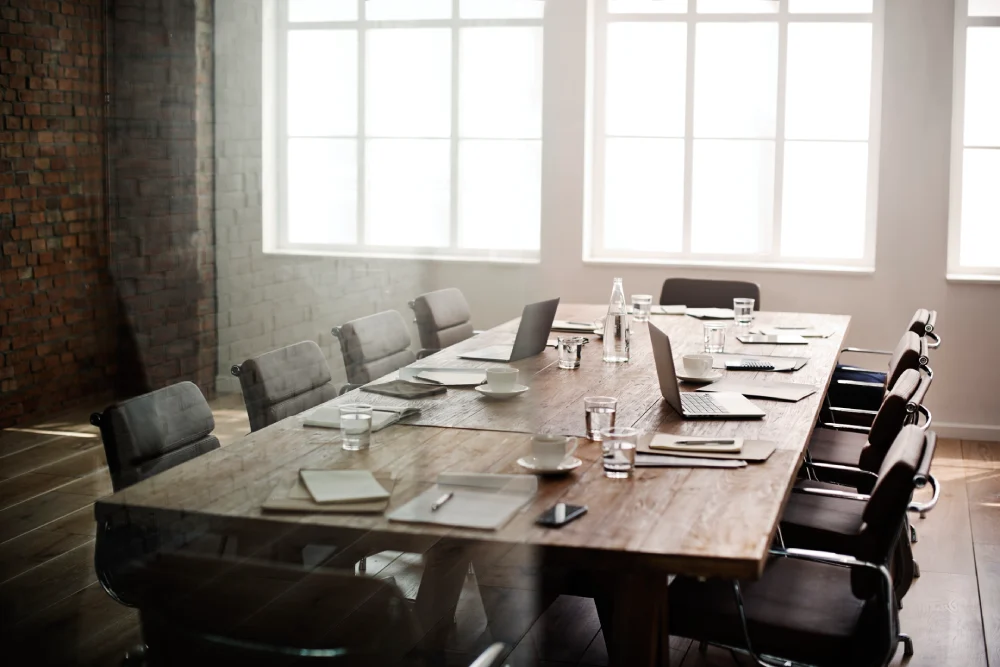
For businesses, this shift brings important design implications:
- Fewer fixed desks, more flexible rooms
- Multiple conference rooms in varied sizes
- Better booking systems to avoid conflicts
- Thoughtful acoustics and lighting
Investing in well-designed conference rooms is now a strategic necessity. Conference rooms are now becoming central to the modern workplace experience. As offices adapt to hybrid work, collaboration, and evolving employee needs, these rooms are redefining how and where work gets done. The future office is about spaces that work as hard as the people in them; which is why conference rooms are emerging as trending workspaces that suit specific needs.